
Why You Feel Like You’ve Lost Yourself in Midlife (And Why Nothing Is Wrong)
"Midlife crisis" gets all the cultural attention. The dramatic reinvention, the sudden departure, the cliché.
But most women experience something quieter than that. And in many ways harder to name.
Not a crisis. A gradual disappearing.
And if you've spent twenty years being capable, reliable, and there for everyone else — the disappearing tends to be so gradual that you don't notice it until you're standing in your own kitchen wondering who you actually are beneath all of it.
The Cost of Being the 'Reliable One' for Twenty Years
For twenty years or more, you've been the person others depend on. The parent who manages the details. The partner who holds the emotional space. The colleague everyone turns to. Perhaps the daughter who's quietly taken on more as your parents have needed more.
This creates something real — capability, depth, a hard-won kind of wisdom. But it has a cost that rarely gets acknowledged.
Somewhere in all of that reliable, competent, caring showing-up, the question of what you want — what you feel, what you need, what genuinely matters to you — slowly stopped being asked. And one day you notice: you don't quite know the answer anymore.
Why Midlife Identity Shifts Happen to Capable Women
When your sense of self has been shaped largely by your roles and responsibilities over a long period, your identity can quietly contract to fit those roles. There's simply not much bandwidth left for the parts of yourself that exist outside of them.
Layer onto this the emotional labour of consistently attending to others' needs, the nervous system exhaustion of years of holding things together, and a cultural context that celebrates productive, capable womanhood but offers very little language for what happens when the shape of your life begins to change — and the sense of lostness starts to make a lot of sense.
No one really prepares women for this transition. Not when children grow up and need you differently. Not when careers plateau or shift. Not when perimenopause arrives and changes the landscape from the inside.
You're not broken. You're in an identity shift that society doesn't have good words for yet.
What It Actually Feels Like From the Inside
It's rarely dramatic. More often it's a quiet accumulation of small recognitions: that you've been on autopilot. That you can't quite remember the last time you did something purely because you wanted to. That the things which used to feel meaningful have become a little flat. That when someone asks what you enjoy, or what you want, the question feels harder to answer than it should.
Underneath the competence, there's often a kind of loneliness in this — the experience of not quite being known, even by yourself.
How to Reconnect with Yourself in Midlife
Reconnecting with yourself after a long period of self-effacement isn't a quick process and it isn't about dramatic reinvention. It's slower and gentler than that.
It begins with creating enough space to hear your own inner voice again. Enough steadiness in your nervous system to begin tolerating the question of what you actually want — rather than what you should want, or what everyone else needs.
In my work with women in Stroud, Queens Park, and online, what I notice most is that the shift begins not with answers but with permission — permission to take up a little of the space you've been giving to everyone else. This is the work of The Reset and, for those who want to go deeper, The Slow Unfold — a longer, more spacious process of reconnecting with identity, inner voice, and what feels meaningful at this stage of life. Many women find that simply being genuinely seen and heard, in a space without agenda or judgement, is itself a significant part of what begins to shift things.
Frequently Asked Questions
Is this a midlife crisis?The term tends to describe something sudden and dramatic — and carries a cultural weight that rarely fits the actual experience most women describe. What's happening here is better understood as an identity transition: a gradual shift in what roles are defining you, what gives you meaning, and who you are outside of your responsibilities. It's quieter, more disorienting, and more common than the cultural cliché suggests. And unlike a 'crisis', it responds to thoughtful, supported exploration rather than impulsive reinvention.
I've achieved a lot — shouldn't I feel more settled by now?This is one of the most common things intelligent, high-achieving women say when they first get in touch. The assumption is that external achievement should translate into internal groundedness. It often doesn't — partly because the same drive that creates achievement can mean you've spent years meeting external standards at the expense of internal ones, and partly because the midlife identity shift happens to capable women precisely because they've given so much of themselves. Achievement is real. So is the quiet cost of it.
How long does it take to feel like yourself again?Honestly: it varies. For some women, four weeks of genuinely supported space is enough to begin feeling significantly different. For others, the reconnection is a longer process — particularly when it involves revisiting identity questions that have been deferred for a decade or more. The Slow Unfold is designed for women who want to go deeper, at their own pace. Whether we work together online, in Stroud, or in Queens Park, the aim is always the same: a shift that is durable rather than temporary.
What if I don't know what I want, even after reflection?This is exactly where many women start — not with clear desires or goals, but with a blankness where desire used to be. That blankness is itself meaningful, and it's a legitimate starting point. The work doesn't require you to arrive with answers. It requires only a willingness to begin paying attention to your own experience again — gently, without pressure to have everything figured out. Clarity tends to emerge from that attention, over time, rather than arriving all at once.
Is this relevant for women who don't have children?Yes. The identity shift in midlife is not specific to parenthood, though it can be triggered or compounded by changes in that relationship. Women without children often describe a parallel experience: a sense that the roles and structures that have defined them — career, partnership, social identity — are shifting, and that the question of who they are outside of those structures deserves proper attention. The emotional labour of being the capable, reliable one is not confined to motherhood.
→ Book Your Free Clarity Call
Post 2: When Life Looks Fine on the Outside but Feels Wrong on the Inside
Post 7: What's Actually Causing Your Stress? External and Internal Stressors in Midlife
Post 16: On Joy, Flow, and Learning to Savour Life Again in Midlife
If any of this sounds familiar — a free Clarity Call is the quietest possible next step.
A quiet, confidential 30-minute conversation. No agenda, no pressure, no commitment. Just a real space to talk through where you are and whether this kind of support might help.
Book Your Free Clarity Call →30 minutes · Free · Online · No commitment required
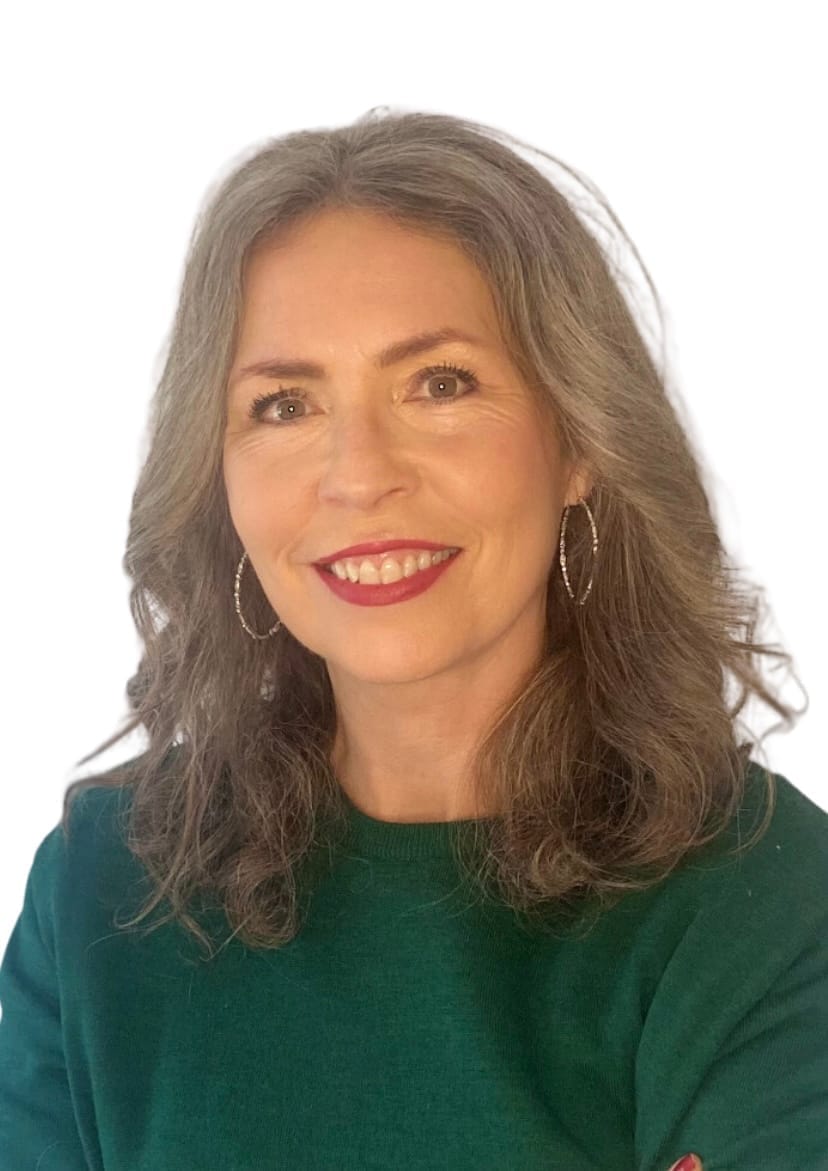
Mindfulness teacher, coach, maker — and someone who came to this work through necessity, not just training.
Hi, I'm Linda
I work with women in midlife who feel like they've spent years being the reliable one — and now feel disconnected from who they are underneath all the roles and responsibilities.
I came to this work because I needed it. I know what it means to keep functioning through something that would quietly break you, if you let it. And I know what it takes to actually do the work of coming back — not to who you were before, but to something more honest than that.
Professionally, I hold a Master's degree in Mindfulness-Based Approaches from Bangor University, the UK's leading centre for mindfulness research and practice. I am fully trained and certified to teach MBSR and MBCT, and have completed ICF-aligned coach training with six years of therapeutic mentoring and coaching behind me.
I also make things. Slow stitching, upcycling, working with my hands — these found their way into my practice long before I had clinical language for why they work.
"Linda created a safe space to talk through my thoughts and turn ideas into action. She is gentle, supportive, acknowledges your strengths and celebrates your success."Coecilia — coaching client
Things women often ask
Burnout and nervous system overload overlap but aren't identical. Burnout is typically associated with work and tends to develop from prolonged job stress. Nervous system overload in midlife is usually broader — the result of sustained responsibility across every area of life simultaneously: work, family, caring for ageing parents, perimenopause, and years of emotional labour with insufficient recovery. You can be quietly overloaded without fitting the clinical picture of burnout.
It's often both, and they interact directly. Oestrogen plays a regulatory role in the stress response — as it fluctuates during perimenopause, your nervous system becomes more reactive and slower to return to baseline. The same level of demand you've been managing for years can start to cost more. The hormonal and the cumulative stress picture are rarely separable in midlife.
Not for this kind of support. Nervous system overload as described here sits below the clinical threshold — it's a pattern, not a disorder. Mindfulness-based coaching works at the level of regulation, habit, and self-awareness. If what you're experiencing feels more clinical in nature — persistent low mood, anxiety that significantly disrupts your life, or anything that feels beyond tiredness — your GP or a therapist is the right first step, and I will always say so honestly.
That usually says more about the approach than about you. Sitting still with a busy mind can feel like being trapped in a room with everything you've been trying not to think about. The practices I use are short, body-based, and built around real daily life. No hour-long meditations, no particular personality required. Small, repeatable things that fit around an already full life — because that's the only kind that actually sticks.
Linda Corcoran Coaching
ICF-Trained Life Coach + Mindfulness Teacher +
founder - Slow and Mindful
Based in London + Stroud + Online
The Slow Unfold
The Reset
Private Coaching
Workplace Training
Connect
About Linda
Blog
Contact